
Under $10 to Start
A complete Cuban yo-yo setup costs $5 to $8. Two yo-yos plus a small tackle kit runs under $15 and weighs under one pound.
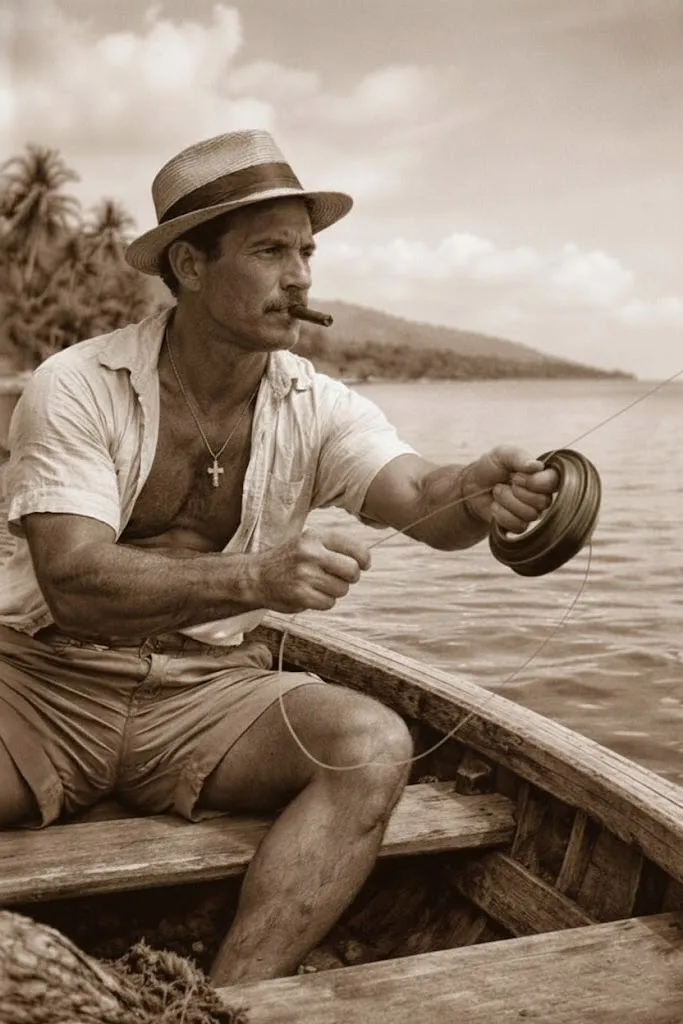
A $5 hand reel, centuries of tradition, and the most direct connection to fish you will ever feel.
A Cuban yo-yo is a flat, round plastic hand reel — typically 6 to 9 inches across — with notches around the perimeter for wrapping fishing line. There is no rod, no reel mechanism, no bearings, no drag system, and no moving parts. Just a disc of line, a leader, a hook, and your hands.
The technique has roots in Caribbean handline fishing. Cuban fishermen on the Malecon seawall in Havana still use handlines daily, targeting snapper and pompano with nothing but line and skill. Cuban immigrants brought the tradition to South Florida, where it became a pier and bridge staple from the Keys to the Gulf Coast.
Today, the Cuban yo-yo is used by anglers worldwide: from the saltwater piers of the Southeast US to freshwater rivers, sailing cruisers trolling offshore, survival preppers, ultralight backpackers, and parents teaching kids to fish for the first time.
Important distinction
A Cuban yo-yo hand reel is not the same as the spring-loaded automatic "yo-yo" reel tied to tree limbs for passive catfishing. The Cuban yo-yo is an actively fished device — you cast, feel, and fight the fish by hand.
Six reasons this hand reel earns a permanent spot in your tackle bag.
A complete Cuban yo-yo setup costs $5 to $8. Two yo-yos plus a small tackle kit runs under $15 and weighs under one pound.
Toss it in a backpack, kayak hatch, glove box, or carry-on. A flat disc the size of your hand replaces an entire rod-and-reel combo.
Line runs through your fingers, not through guides and a drag system. You feel every bump, every nibble, every headshake.
No bearings, no bail, no drag washer. Rinse it off and toss it in your bag. Salt, sand, and abuse are non-issues.
No backlashes, no bird's nests, no casting lessons. A 6-year-old can fish independently with a pre-rigged Cuban yo-yo.
A top pick for Bug Out Bags and emergency kits. Minimal weight, zero mechanical failure points, maximum versatility.
Four proven methods, from docks to open water.
The Cuban yo-yo's sweet spot. Drop bait straight down to pilings and structure where sheepshead, snapper, and drum hold. No cast needed — gravity does the work.
An underhand, frisbee-like toss sends the weighted rig 20 to 50 feet. The disc spins and line pays out freely. Heavier sinkers extend your range.
A 9-inch yo-yo rigged with a diving lure is a sailboat and kayak staple. Drag it behind at slow speed and wait for the strike.
Egg sinker or pyramid rig with cut bait. Drop to the bottom, hold the line in your fingertips, and feel the bite before any rod could telegraph it.
Four steps from bare disc to fish-ready setup.
Wind 50 to 100 yards of 20 to 30 lb braided line onto the disc. Braid lays flat, avoids memory coils, and casts cleanly. Keep your wraps neat to prevent tangles.
Connect 2 to 3 feet of 20 to 30 lb monofilament or fluorocarbon leader using a double uni knot. The leader provides abrasion resistance against structure and teeth.
Tie a snap swivel to the leader end for quick lure changes. Thread an egg sinker (1 to 2 oz) above the swivel for weight. Clip on your hook or jig.
Wear a leather work glove or fishing glove on your line hand. Braid under tension will cut bare fingers fast — especially when a fish makes a hard run.
From bridge pilings to freshwater banks, the Cuban yo-yo handles a wide range of species.
Experienced handliners have also landed tarpon, blue marlin, and large flathead catfish on Cuban yo-yos and heavy handlines.
Vertical fishing is the easiest application. Drop bait straight down to structure — no casting required.
Monofilament holds coils from the disc and casts poorly. Braided line lays flat, packs tightly, and pays out smoothly.
A running fish on braid will slice bare fingers. Even a basic leather work glove makes a huge difference.
The sidearm, frisbee-like motion takes a few tries. Use a 1 to 2 oz weight and practice in an open area before hitting the water.
At $5 each, carry two or three: one for bottom fishing, one for jigs, one with a sabiki for bait. Switch instantly instead of re-rigging.
Sloppy winding causes tangles on the cast. Take an extra 10 seconds to lay each wrap evenly on the disc.
A Cuban yo-yo is a flat, round plastic disc (typically 6 to 9 inches in diameter) with notches around the edge for wrapping fishing line. It has no rod, no reel mechanism, and no moving parts — just line, leader, a hook, and your hands. It is an actively fished hand reel, not to be confused with the spring-loaded automatic yo-yo used for passive catfishing.
With practice, expect 20 to 50 feet of casting distance using an underhand, frisbee-like sidearm throw. Heavier sinkers (2 oz or more) extend your range. For vertical fishing from piers and bridges, casting distance is irrelevant — you simply drop straight down.
Braided line (20 to 30 lb test) is the best choice for most situations. It lays flat on the disc, has no memory coils, and casts smoothly. Some anglers prefer monofilament (40 to 60 lb) for the stretch and cut resistance, but braid with a mono leader offers the best of both.
Yes. Experienced handliners have landed tarpon, large catfish, and even blue marlin on handlines. That said, fighting fish over 15 pounds without a drag system takes skill, strong gloves, and heavy line. Start with smaller species and work up.
Handline fishing is legal in most US states and coastal areas. Some states have specific regulations on the number of handlines per angler or restrictions in certain waters. Always check local fishing regulations before you go.
A traditional Cuban yo-yo is a simple flat disc for wrapping line. The YO Reel takes that handline heritage and adds sidecast control — a 90-degree rotation between retrieve and cast positions for cleaner releases and faster recovery. Same philosophy, refined execution.
See how the tradition evolves with the YO Reel.
YO Reel